WHO is collaborating with North Macedonia to ensure everyone can lead healthy and active lives regardless of age, gender, education or location. The goal is to strengthen public health by fostering policies that promote well-being and equitable access to health-care services.
North Macedonia faces significant health challenges, including high rates of preventable diseases linked to tobacco use, air pollution and lifestyle factors. Noncommunicable diseases such as cardiovascular conditions and cancers remain leading causes of mortality, while disparities in health-care access persist, particularly between urban and rural areas.
Progress in health outcomes has been hindered by issues such as smoking, physical inactivity and gaps in health-care infrastructure. The migration of health-care professionals and uneven resource distribution further strain the system.
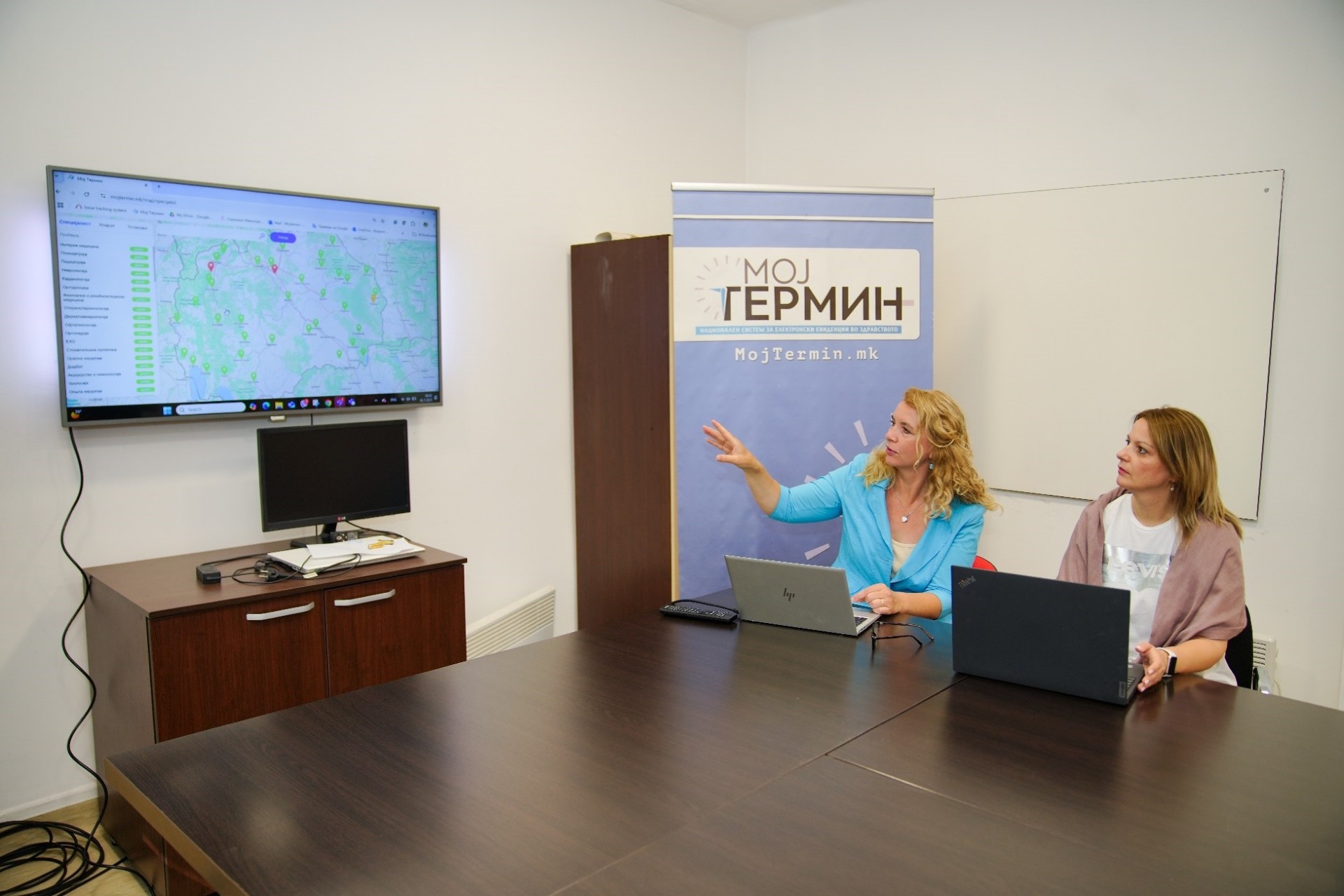
To address these challenges, together with the Ministry of Health of North Macedonia, WHO has identified priority areas for action to guide collaboration from 2024 to 2030. The Country Cooperation Strategy (CCS) outlines long-term goals, while biennial agreements detail WHO’s support, including on tobacco control, health emergency preparedness, digital health advancements and immunization programmes.
Efforts also focus on mental health, primary health-care reform and climate-resilient health policies. By aligning with global best practices, we aim to build a more robust and inclusive health-care system for North Macedonia’s future.